The four phases of the accounting cycle are Analyzing and Recording Transactions, Making and Posting Adjusting Entries, Preparing Financial Statements, and Closing the Books. Each phase is critical to the overall process, and they must be completed in the correct order to ensure accurate financial statements. In this article, we will take a closer look at each of these phases and their importance in the accounting process. The accounting cycle is a step-by-step process to record business activities and events to keep financial records up to date.
Automation in Preparing Worksheets and Adjusting Entries
Then, you record them using debits and credits in a journal and post them to the general ledger. The accounting cycle is the foundation of accurate financial reporting, helping businesses track transactions, streamline workflows, and make informed decisions. Whether you’re running a small startup or managing a large corporation, understanding this structured process ensures your financial records stay organized and error-free. This guide breaks down the 8 essential steps of the accounting cycle, from recording transactions to closing the books. Learn how each step supports accurate financial reporting, reduces errors, and helps small businesses stay organized and compliant. The next step is to prepare an unadjusted trial balance, which is essentially a list of all the accounts and their balances at a particular point in time.
The Accounting Cycle in Practice: Manual vs. Software
However, the integration of third-party automation software can automate specific workflow processes to avoid preparing some manual worksheets. Learning the steps of the accounting cycle empowers business How to Meet Your Bookkeeping Needs owners to take control of their finances. Beyond recordkeeping, it’s a tool for growth, strategy, and sustainability. Before finalizing the books, accountants prepare a worksheet to identify necessary adjustments. This includes reviewing accruals, deferrals, and corrections for any discrepancies found in the trial balance. After closing, the accounting cycle begins again with a new accounting period.
Automation in Preparing Journal Entries
It is important to set proper procedures for each of the eight steps in the process to create checks and balances to catch unwanted errors. The accounting cycle period can vary, but most businesses operate on a Bakery Accounting monthly, quarterly, or annual cycle. A common choice is a 12-month accounting period, either a calendar year or a fiscal year, depending on your reporting needs.
- Let Simplified Asia streamline your bookkeeping and keep your business on track!
- Skipping this step can result in unnoticed errors and financial misstatements.
- Small mistakes in the balance sheet, income statement, or cash flow statement can cause serious financial discrepancies.
- The permanent or real accounts are not closed; rather, their balances are carried forward to the next financial period.
- Its main purpose is to identify any errors made in the accounting process.
- Some of the steps can be carried out concurrently — you can lock in your mortgage rate while shopping for home insurance, for instance.
- The accounts double entry system ensures that every transaction affects at least two accounts, maintaining the fundamental accounting equation’s balance.
- It follows eight key steps, collectively known as the accounting cycle, ensuring accuracy and consistency throughout the reporting period.
- Professionals and growing businesses can greatly benefit from embracing these principles, paving the way for financial stability and strategic agility.
The timing of when you record these transactions depends on the accounting method used. In accrual accounting, you record transactions when they happen, matching revenues with expenses. And in cash accounting, you record transactions only when money is received or paid. The seven steps of accounting cycle often separate the trial balance preparation into pre-adjustment and post-adjustment phases. The next step in the accounting cycle is to post the transactions to the general ledger.
Additionally, closing the books includes the process of closing revenue and expense accounts. This ensures that all temporary accounts are accurately transferred to a permanent What is bookkeeping account, maintaining the integrity of the accounting cycle. Accurately recording the business’s financial transactions in both journal entries and the general ledger is crucial for maintaining precise financial records and adhering to accounting principles. Every accounting cycle begins with identifying the business transactions that have occurred during the period.

The accounting cycle is the foundation of the entire accounting system and sets up all future entries in a company’s financial records. The second step in the cycle is to create journal entries for each transaction in chronological order. Point of sale technology can assist in combining steps 1 and 2, but companies might still have to track items like expenses separately. Companies can prepare their financial statements on a quarterly or annual basis.
Making Adjusting Entries
- A single entry recording system does not include debit and credit columns but instead simple entries for things like cash, tax paid, accounts payable and accounts receivable.
- Our experienced team specializes in bookkeeping and can provide you with the comprehensive support you need.
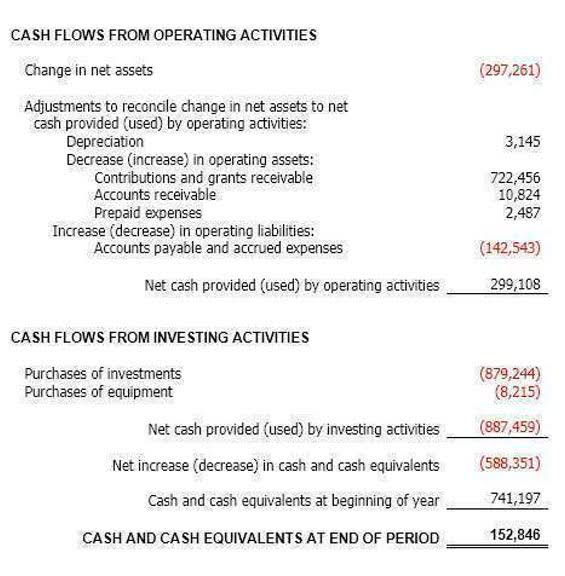
- The income statement lists all expenses incurred as well as all revenues collected by the entity during its financial period.
- Whether you’re managing monthly close, reconciliations, or year-end reporting, these templates give you a structured starting point you can customize for your team.
- This residual amount captures elements such as expected synergies, assembled workforce value, and market position.
Automation software streamlines and digitally transforms the accounting cycle through integration with accounting software or ERP systems. Modern accounting software and ERP systems automate some processes in the accounting cycle. Use worksheets to analyze and reconcile accounts and identify adjusting entries and consolidation entries.

This residual amount captures elements such as expected synergies, assembled workforce value, and market position. This standard overrides the general accounting rule for contingent liabilities, which typically requires only disclosure unless the loss is probable and reasonably estimable. The fair value measurement of assumed liabilities must reflect a market participant’s perspective. The subsequent accounting treatment for changes in the fair value of contingent consideration depends on its classification. If the arrangement is classified as a liability, subsequent changes in fair value are recognized in the acquirer’s earnings. If the arrangement is classified as equity, subsequent changes are generally not remeasured, remaining in equity.

